




When you go to the eye doctor for an eye exam, you are tested for glaucoma. Glaucoma occurs when there is a buildup of internal eye pressure, which can ultimately cause damage to the optic nerve. The optic nerve is what transmits visual images to the brain, and damage to this nerve can lead to blindness.

The average American spends seven hours a day on a computer. As a result, many individuals are experiencing eye discomfort and vision problems resulting from extended time viewing screens on computers, tablets, e-readers, and cell phones. Working adults aren’t the only ones affected because kids who stare at tablets or use computers during the day at school can have issues, too. In fact, this problem has become so common that it has been given a name—computer vision syndrome (CVS) —also called digital eye strain.
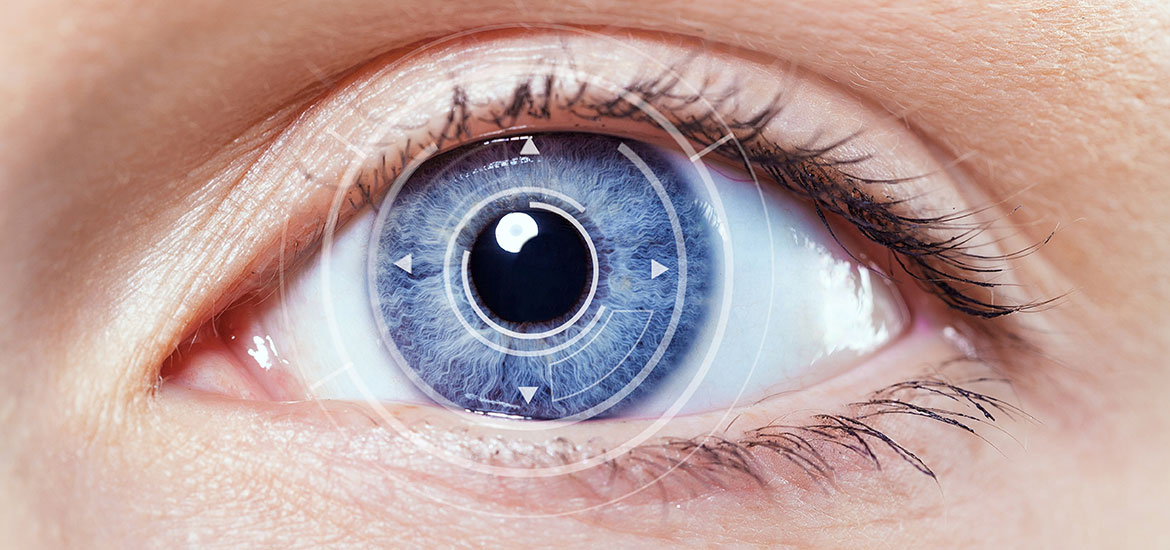
A cataract occurs when the eye’s natural lens begins to cloud. The natural lens is located behind the iris and the pupil, and is made up of mostly water and protein. The natural lens works similarly to a camera lens by focusing light onto the retina which is located at the back of the eye.

People commonly make the mistake of believing that if they have astigmatism they are unable to wear contacts. Today there are many options for people with astigmatism, as it is a pretty common eye condition.

Conjunctivitis, more commonly known as pink eye, occurs when there is inflammation of the clear membrane that lies over the white surface of the eye and lines the inner surface of the eyelids. Pink eye is often caused by a bacterial or viral infection.

A significant amount of computer users deal with eyestrain or other negative vision symptoms. Computer vision syndrome (CVS) occurs as a result of staring at a computer for large portions of time. Common symptoms associated with CVS include headaches, blurred vision, neck and shoulder pain, and dry eyes.