




Most children are generally not interested in wearing sunglasses, but their developing eyes need more protection from the sun’s rays than adults need. Children spend a great deal of time outside in direct sunlight. Experts say that by the time we are 18, we have already experienced half of our lifetime exposure to solar ultraviolet (UV) radiation.

People commonly make the mistake of believing that if they have astigmatism they are unable to wear contacts. Today there are many options for people with astigmatism, as it is a pretty common eye condition.

When is the best time for your child to begin wearing contacts? This is a common question among parents that have children with vision problems. Children are physically able to begin wearing contacts at a young age. In certain cases babies are even fitted with contact lenses to correct certain eye disorders.

Most people have one pair of glasses for everyday use, but in certain cases you may need to use a different pair of eyeglasses to better suit your needs.
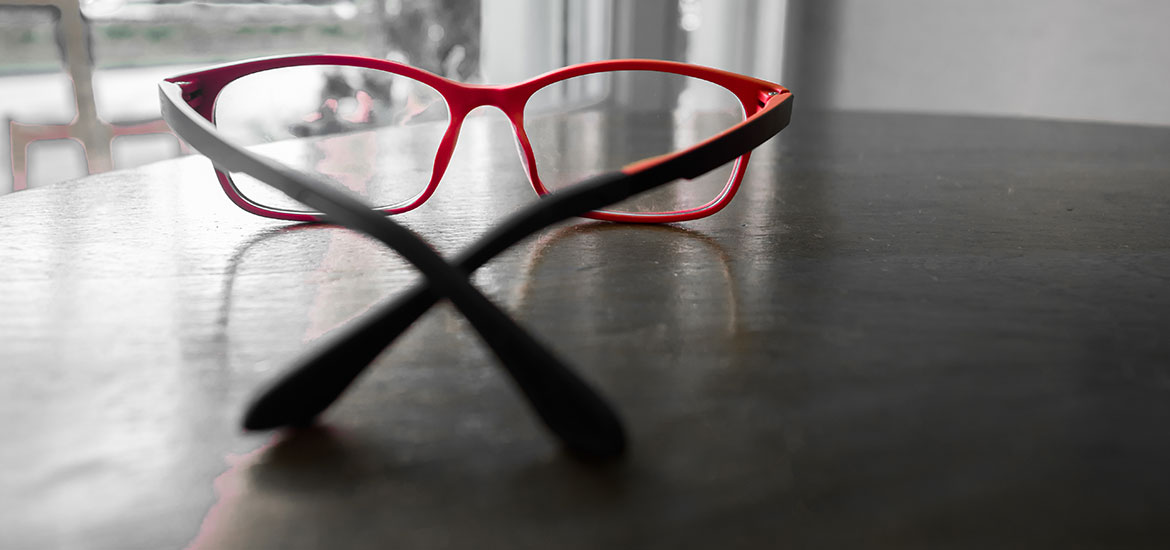
You would think that the availability of contact lenses and laser eye surgery would decrease the demand for eyeglasses, but eyeglasses are still extremely popular today. People choose to wear certain eyeglasses for all types of reasons. We will exam a few major reasons to incorporate eyeglasses into your daily life.
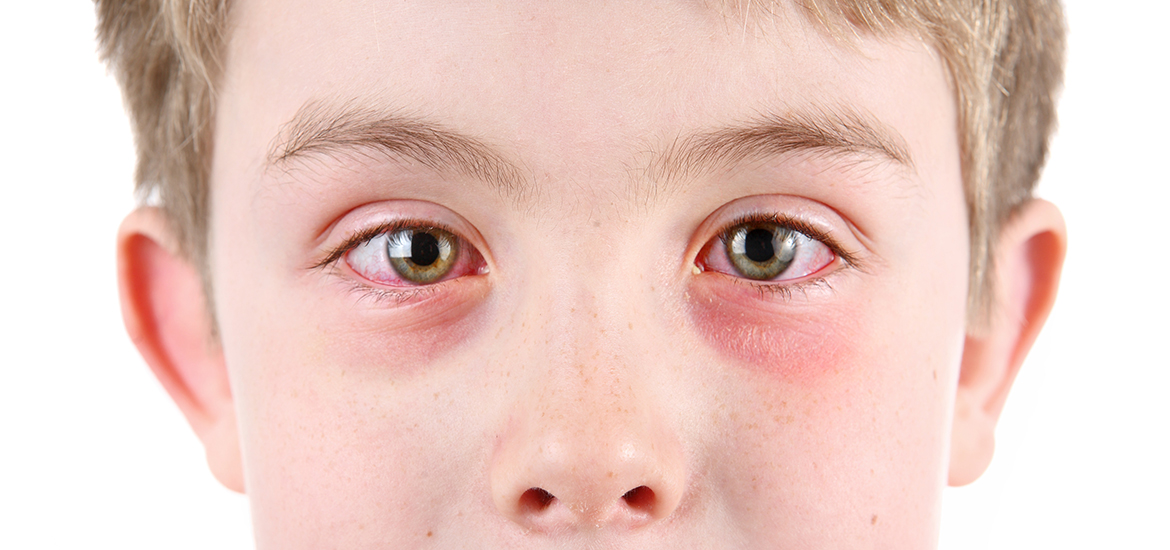
Conjunctivitis, more commonly known as pink eye, occurs when there is inflammation of the clear membrane that lies over the white surface of the eye and lines the inner surface of the eyelids. Pink eye is often caused by a bacterial or viral infection.
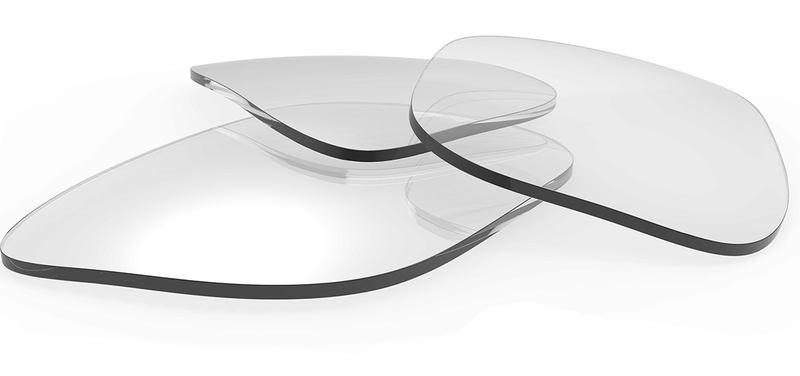
Most people think that once they choose the frames they want, the process of picking out a pair of eyeglasses is over. In the past, people only had to determine if they wanted plastic or glass frames, because there were not many other options. Today, there are numerous lenses and coatings to choose from, and it is important to know your options when determining which lenses to buy.

A significant amount of computer users deal with eyestrain or other negative vision symptoms. Computer vision syndrome (CVS) occurs as a result of staring at a computer for large portions of time. Common symptoms associated with CVS include headaches, blurred vision, neck and shoulder pain, and dry eyes.

People of all ages are visually impaired, but the majority of people living with low vision are 65 and older. Low vision can be extremely frustrating to live with, because affected people may have had great vision their entire lives up until a certain age. The traumatic deterioration can lead to depression.